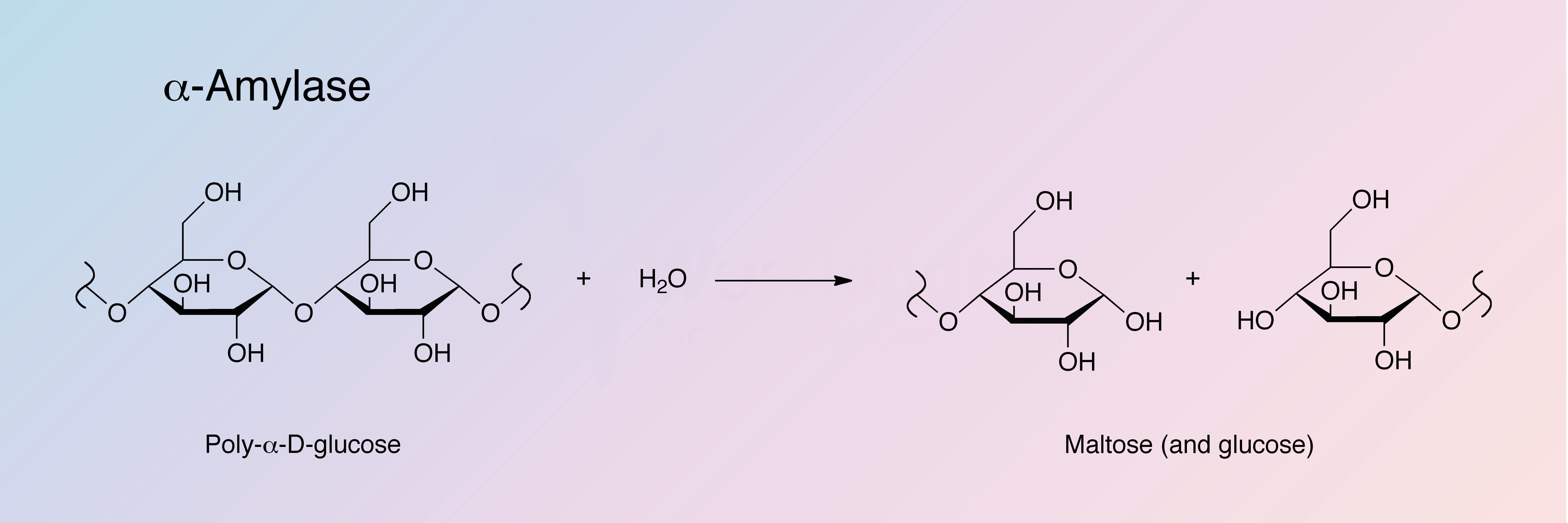

Salivary amylase is an enzyme that plays a crucial role in the digestion of carbohydrates. It is produced by the salivary glands and is one of the key components of saliva. This enzyme, also known as Salivary Amylase Protein, begins the process of breaking down starches into simpler sugars, which can then be further digested in the small intestine. Understanding the function and significance of salivary amylase is essential for comprehending the broader mechanisms of digestion and overall health.
What is Salivary Amylase?
Salivary amylase is a type of enzyme that catalyzes the hydrolysis of starch into smaller polysaccharides, oligosaccharides, and disaccharides. It is secreted by the salivary glands and is active in the mouth, where it initiates the breakdown of complex carbohydrates. This enzyme is particularly important because it starts the digestive process even before food reaches the stomach.
The Role of Salivary Amylase in Digestion
The primary function of salivary amylase is to break down starches into simpler sugars. This process is essential for several reasons:
- It increases the surface area of the food particles, making them easier to digest.
- It converts complex carbohydrates into simpler forms that can be more easily absorbed by the body.
- It prepares the food for further digestion in the stomach and small intestine.
When food enters the mouth, the presence of salivary amylase begins the chemical breakdown of starches. This process continues until the food is swallowed and moves into the stomach, where the acidic environment deactivates the enzyme. However, the partial digestion that occurs in the mouth is crucial for efficient nutrient absorption later in the digestive tract.
Structure and Function of Salivary Amylase Protein
The structure of salivary amylase is complex and highly specific. It consists of a single polypeptide chain with multiple domains that facilitate its enzymatic activity. The active site of the enzyme contains specific amino acid residues that bind to the substrate (starch) and catalyze the hydrolysis reaction. The three-dimensional structure of salivary amylase allows it to efficiently recognize and bind to starch molecules, making it a highly effective digestive enzyme.
Factors Affecting Salivary Amylase Activity
Several factors can influence the activity of salivary amylase, including:
- pH Levels: Salivary amylase is most active in a neutral to slightly alkaline environment. The pH of saliva is typically around 6.7-7.4, which is optimal for the enzyme’s activity.
- Temperature: The enzyme functions best at body temperature (around 37°C). Extreme temperatures can denature the enzyme, rendering it inactive.
- Presence of Inhibitors: Certain substances, such as tannins found in tea and coffee, can inhibit the activity of salivary amylase.
- Salivary Flow Rate: The amount of saliva produced can affect the concentration of salivary amylase. Conditions that reduce salivary flow, such as dehydration or certain medications, can decrease the enzyme’s effectiveness.
Clinical Significance of Salivary Amylase
The measurement of salivary amylase levels can be clinically significant in diagnosing various conditions. Elevated levels of salivary amylase in the blood can indicate pancreatic disorders, such as pancreatitis or pancreatic cancer. Conversely, low levels of salivary amylase may suggest salivary gland dysfunction or other digestive issues.
Salivary Amylase and Oral Health
Salivary amylase plays a role in maintaining oral health by aiding in the digestion of carbohydrates. However, its activity can also contribute to the formation of dental caries (cavities) if not properly managed. When starches are broken down into simpler sugars, these sugars can be metabolized by bacteria in the mouth, leading to the production of acids that erode tooth enamel.
Salivary Amylase and Stress
Research has shown that stress can affect the production and activity of salivary amylase. During stressful situations, the body may produce more saliva, leading to increased levels of salivary amylase. This response is part of the body’s “fight or flight” mechanism, preparing the body for action by enhancing digestive processes. However, chronic stress can lead to prolonged elevation of salivary amylase, which may have implications for overall health.
Salivary Amylase and Nutrition
Understanding the role of salivary amylase in digestion can help in designing diets that optimize nutrient absorption. For example, chewing food thoroughly can increase the contact time between salivary amylase and starches, enhancing their breakdown. Additionally, consuming foods rich in complex carbohydrates can provide a sustained release of energy, as the body takes longer to break down these molecules.
Salivary Amylase and Genetic Variations
Genetic variations can influence the production and activity of salivary amylase. Some individuals may have genetic polymorphisms that affect the efficiency of the enzyme, leading to differences in carbohydrate digestion and metabolism. These variations can have implications for dietary recommendations and the management of conditions related to carbohydrate metabolism, such as diabetes.
📝 Note: Genetic testing for salivary amylase polymorphisms is not routinely performed but may be considered in specific clinical contexts.
Salivary Amylase and Evolution
The evolution of salivary amylase reflects the dietary adaptations of different species. Humans, for example, have a high copy number of the salivary amylase gene, which is thought to have evolved in response to a diet rich in starches. This adaptation allowed early humans to efficiently digest and utilize starches, providing a competitive advantage in environments where plant-based foods were abundant.
Salivary Amylase and Digestive Disorders
Salivary amylase plays a role in various digestive disorders. For instance, individuals with pancreatic insufficiency may experience reduced levels of salivary amylase, leading to malabsorption of carbohydrates. Similarly, conditions that affect salivary gland function, such as Sjogren’s syndrome, can result in decreased salivary amylase production, impacting digestion and overall health.
Salivary Amylase and Aging
As individuals age, the production and activity of salivary amylase may decrease. This decline can contribute to digestive issues and malnutrition in older adults. Ensuring adequate hydration and a balanced diet can help maintain salivary amylase levels and support digestive health in the elderly.
Salivary Amylase and Dietary Supplements
Some dietary supplements claim to enhance the activity of salivary amylase, although scientific evidence supporting these claims is limited. It is essential to consult with a healthcare provider before taking any supplements, as they may interact with medications or have unintended side effects.
Salivary Amylase and Future Research
Future research on salivary amylase may focus on understanding its role in various health conditions and developing targeted therapies. For example, studies could explore the potential of salivary amylase inhibitors in managing conditions related to carbohydrate metabolism, such as obesity and diabetes. Additionally, research on the genetic and environmental factors influencing salivary amylase activity could provide insights into personalized nutrition and health strategies.
Salivary amylase is a vital enzyme that plays a crucial role in the digestion of carbohydrates. Its activity is influenced by various factors, including pH, temperature, and the presence of inhibitors. Understanding the structure, function, and clinical significance of salivary amylase can help in managing digestive disorders, maintaining oral health, and optimizing nutrition. Future research may uncover new applications for salivary amylase in health and medicine, further enhancing our understanding of this essential enzyme.
Related Terms:
- salivary amylase structure
- salivary amylase ph
- salivary amylase optimum ph
- salivary amylase breaks down
- enzyme in saliva
- salivary amylase digests